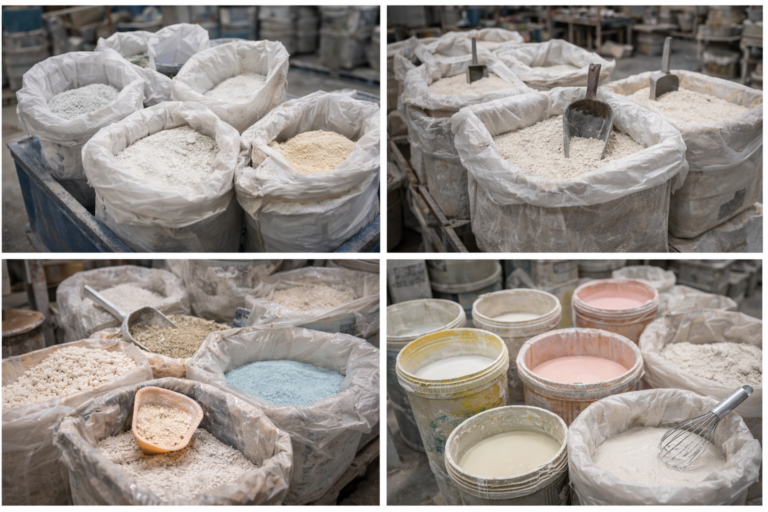
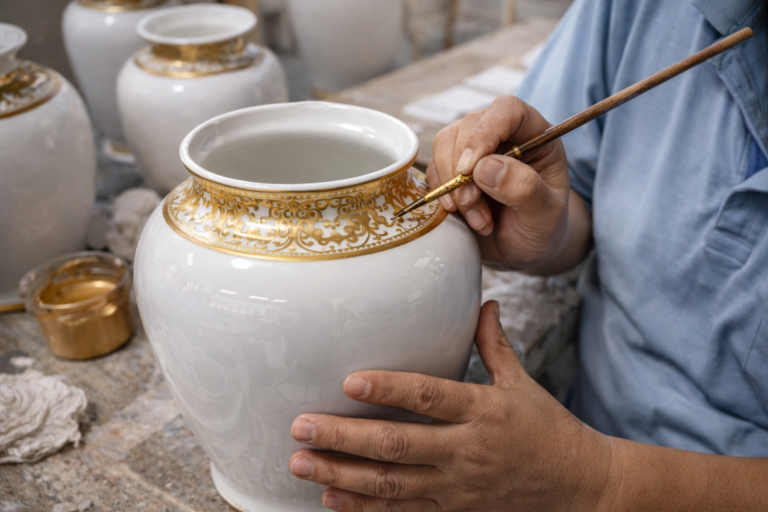
Are you frustrated by the high MOQs for your unique ceramic designs? It can limit your creativity and ability to test new products. Let's look at the real reasons.
High MOQs for custom ceramics are driven by the industrial scale of production1. Kilns must be filled to capacity for energy efficiency2, and a large batch is essential to manage quality and ensure color consistency throughout the entire firing process for the whole order.
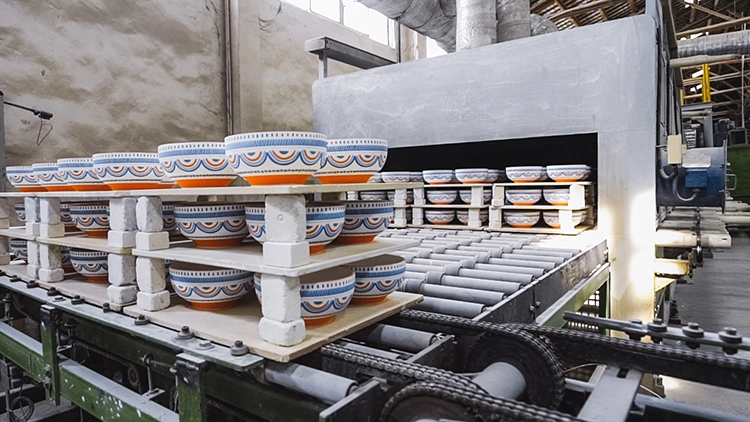
It's a common frustration I hear from many of our clients, especially fast-moving brands who want to launch multiple new items each season. You have a brilliant design, but the factory quotes a minimum order quantity of 1,000 or 2,000 pieces. It feels like a roadblock. But the reasons for this are rooted in the physics and economics of ceramic manufacturing3. Let's break down exactly what happens inside the factory to understand why these numbers are what they are.
How Does The Kiln Firing Process Affect The MOQ?
You know the kiln is part of the reason, but the details are fuzzy. This makes it hard to understand the production limits you face. Let’s look inside the kiln.
The kiln firing process directly impacts the MOQ. To be cost-effective, a massive industrial kiln must be fully loaded for each run. Empty space is wasted energy and drives up the cost per piece, making small production runs financially impractical for both you and the factory.
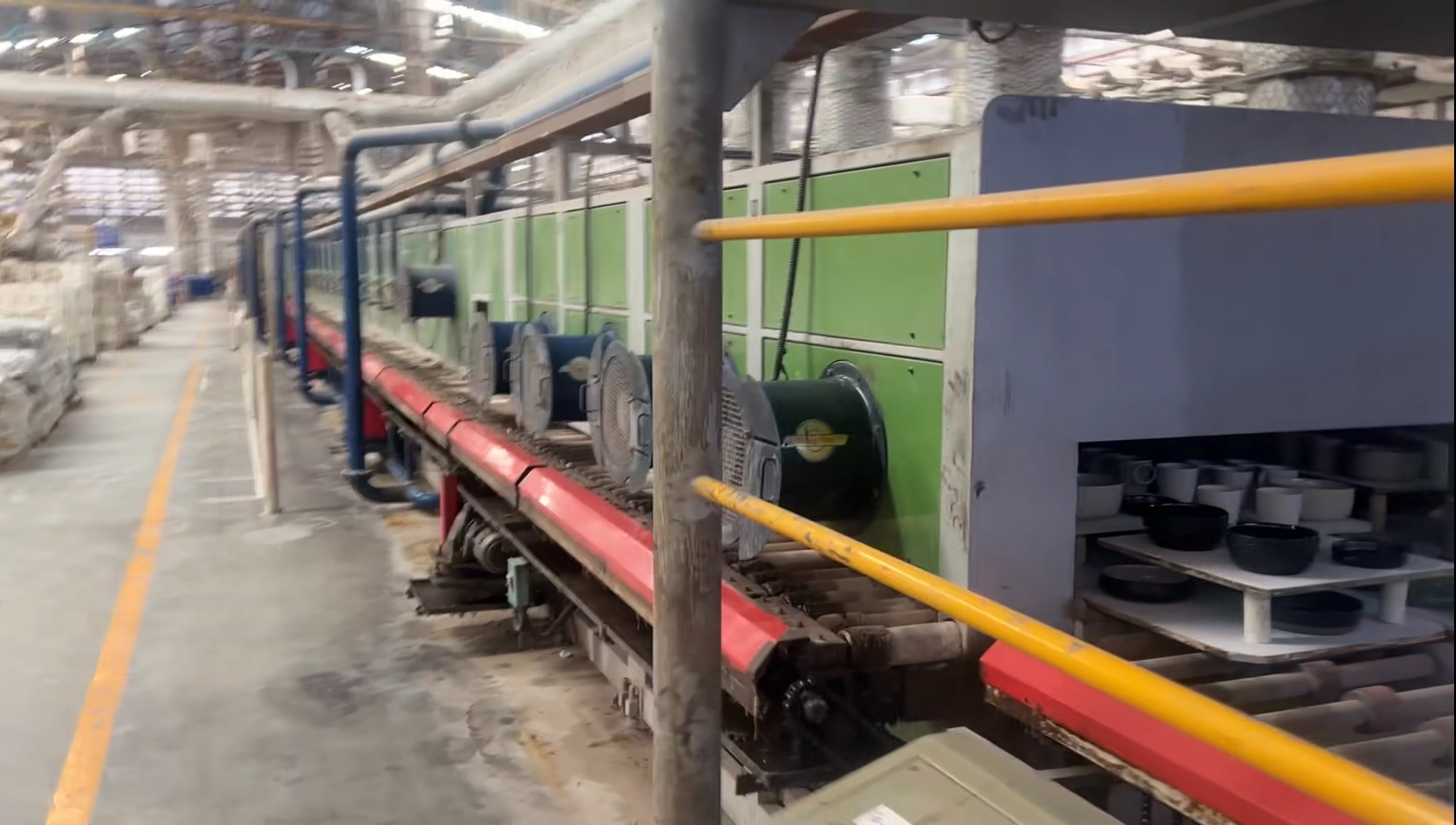
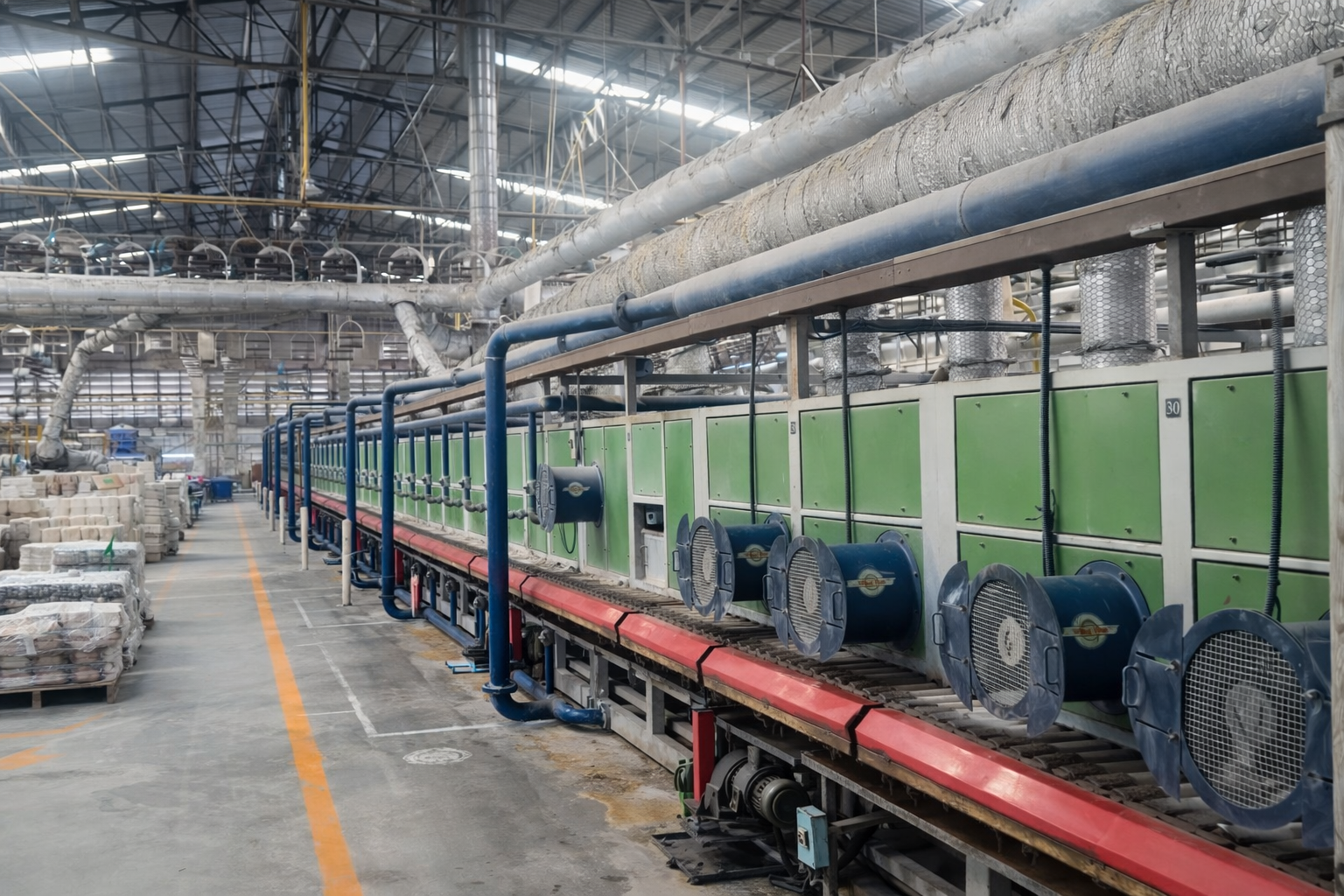
When we talk about firing ceramics, we're not using a small oven like you'd find in a pottery studio. We use industrial tunnel kilns4. To give you an idea, our typical tunnel kiln is about 50 meters long. It’s a huge piece of equipment that is designed to run continuously.
The High Cost of Firing Air
Heating a kiln of this size to temperatures up 1500°C plus consumes a massive amount of energy. The economics only work when the kiln is filled to capacity. Every empty spot in the kiln is space that we are heating for no reason. We call this "firing air5," and it represents wasted energy, wasted capacity, and a direct financial loss. To cover that cost, the price of every piece in that under-filled kiln would have to increase dramatically.
I once had a call with a brand manager from a New York-based company. He had this incredible, intricate design for a trendy vase but only wanted 100 pieces for a test launch. I had to explain that our tunnel kiln is like a subway train. It runs on a fixed schedule at a set speed and temperature. Firing his 100 vases would be like running an entire train for just a few passengers. The ticket price would be enormous. It’s the same for ceramics; the cost-per-piece for such a small run just doesn't work.
The Complex Temperature Puzzle
Different materials require very specific firing conditions. The temperature profile6 must be perfect to ensure the ceramic body vitrifies7 correctly, becoming strong and non-porous. This puzzle gets even more complex when you add glazes and decals, which often require their own separate, lower-temperature firings.
| Material | Typical Firing Temperature | Key Characteristic |
|---|---|---|
| Stoneware | 1180°C – 1300°C | Opaque, durable, and strong. |
| Porcelain | up to 1400°C | Translucent, non-porous, and very hard. |
| New Bone China | 1200°C - 1250°C | Whiter and more translucent than stoneware. |
| Decal Firing | 730°C - 880°C | A lower temperature to fuse the decal to the glaze. |
Setting up the kiln8 for a specific temperature is a major process. We can't just switch it on and off. Because of this, we must group products that require the same firing temperature together into one large run. This operational requirement is the primary driver behind the MOQ.
Why Does Quality Control Require A Higher Quantity?
You might think quality can be checked on just a few finished samples. So why does the factory need hundreds of pieces to get it right? It's all about ensuring consistency across the entire batch.
Quality control in mass production needs a larger quantity to manage natural variations. During firing, glazes and decals can change color unpredictably. A larger batch allows our technicians to monitor and make real-time adjustments9, ensuring the entire order has a consistent finish from start to finish.
Making ceramics is a natural process, not a perfectly repeatable science like plastic injection molding. It’s part chemistry and part art. Even with the most advanced controls, there will always be slight variations in the firing process. This is where a larger batch size becomes your best safety net for quality.
The Challenge of Batch Consistency
The very same glaze can look different depending on its location inside the 50-meter-long kiln. Pieces at the top might fire slightly hotter than those at the bottom. The atmosphere can vary from front to back. These tiny differences can cause noticeable shifts in color and finish, especially with sensitive reactive glazes10 or vibrant colors. For a brand, consistency is everything. You need every single ashtray or dinner plate to match the one next to it on the shelf.
A Larger Batch Is Your Safety Net
A higher MOQ allows us to manage these variables effectively. Our technicians pull sample pieces as the kiln carts travel through the tunnel. If they see a color is starting to drift, they can make immediate adjustments to the kiln's temperature or atmosphere. With a 1,000-piece run, a 50-piece variation at the start can be identified and corrected for the remaining 950 pieces. That initial batch might be classified as B-grade or lost, but the bulk of the order is perfect.
I’ll never forget a project we did for a large hospitality client. They needed stoneware plates with a specific blue reactive glaze for a new hotel. Reactive glazes are known to be tricky. The first cart of about 50 plates came out of the kiln looking a little too green. Because the total order was 2,000 plates, our kiln master was able to immediately adjust the oxygen levels in the firing zone. The next 1,950 plates were the perfect deep blue they envisioned. If the entire order had only been 100 pieces, the whole project would have been a failure, causing a major delay for the hotel's opening.
| Potential Firing Issue | How High MOQ Mitigates the Risk |
|---|---|
| Color Variation | Allows for real-time adjustments9 to kiln settings to keep color consistent. |
| Glaze Defects (e.g., crawling) | Provides a large enough sample size to spot and correct issues early in the run. |
| Size Warping | A larger batch justifies the extensive testing needed to perfect the firing curve. |
| Decal Imperfections | The loss from a few misfired pieces is absorbed by the overall volume of the order. |
Are There Ways To Get A Lower MOQ For My Ceramic Products?
You need to test the market with a smaller, more manageable batch. But the high MOQ is a major barrier to entry for your new, trendy designs. Let's explore some strategies.
Yes, lowering the MOQ for your custom ceramics is possible. Key strategies include simplifying the design11, choosing standard materials12, or batching your order with other productions that use a similar firing process. A flexible manufacturing partner13 is crucial to making this happen.
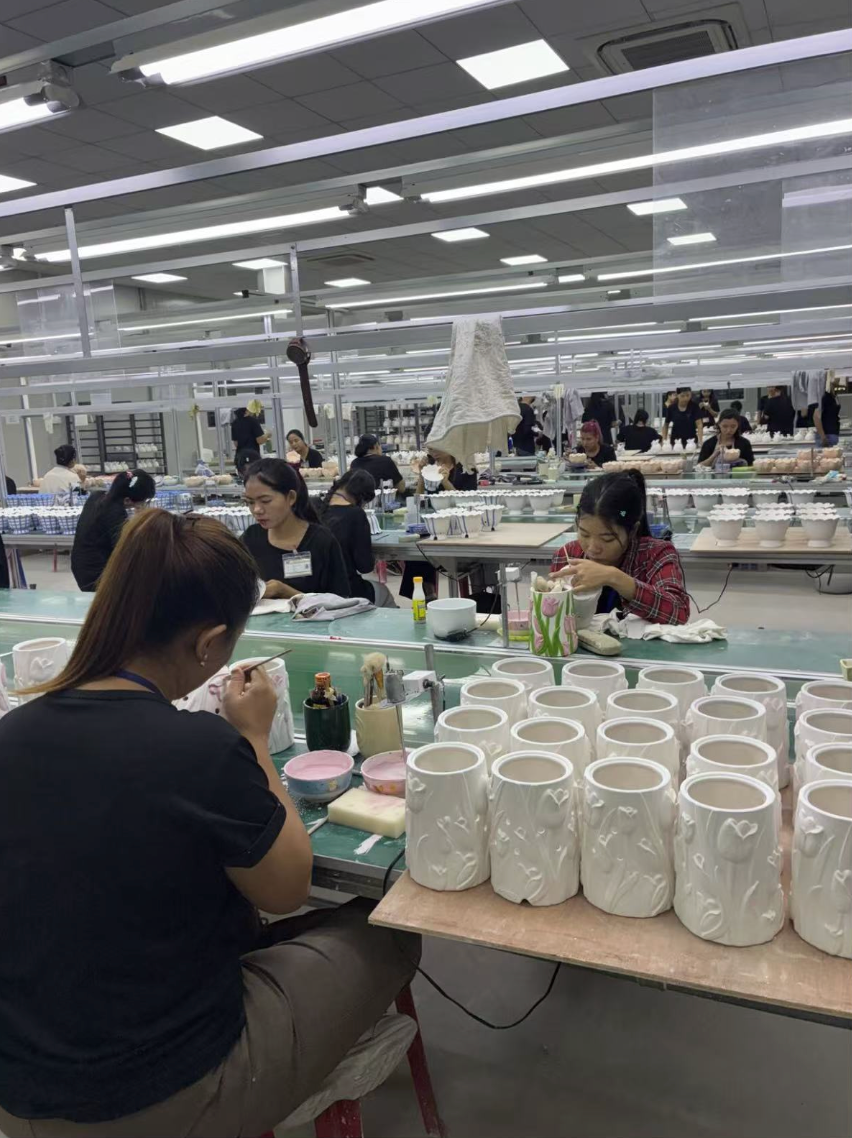
We completely understand the needs of modern brands. You want to be agile, test new ideas, and not tie up all your capital in one massive order. While the physics of the kiln are fixed, there are smart ways we can work together to achieve a lower MOQ.
Strategy 1: Simplify Your Design
This doesn't mean making your product boring; it means being strategic. A complex design with multiple hand-painted elements, intricate decals, and a final gold-tipping application requires several firing stages and intense quality control. Each step adds risk and complexity, which factories mitigate with a higher MOQ. In contrast, a product with a single, beautiful, and unique glaze is much simpler to produce consistently. By focusing the "wow" factor on the form or a stunning single-finish glaze, you can often achieve a lower MOQ.
Strategy 2: Piggyback on Existing Production Runs
This is often the most effective strategy. Think of it like a carpool for your products. We might have a large order for 10,000 white stoneware bowls scheduled to run in our Thailand factory. If your new design is also made from white stoneware and can be fired at the same temperature, we can often "piggyback" your smaller order of 300-500 pieces onto that larger run. The main kiln costs are covered by the large order, allowing us to produce your smaller quantity efficiently. The trade-off is usually flexibility on timing—you may need to wait for the right "carpool" to come along.
Strategy 3: Leverage a Multi-Factory Network
Working with a partner who has a broad manufacturing base is a huge advantage. Because we operate factories in both Thailand and China, we have a wider range of ongoing production schedules. One factory might be running porcelain tableware while the other is focused on decorative stoneware. This diversity doubles the chances that we can find a suitable production run to piggyback your project onto, increasing the feasibility of your low-volume, fast-turnaround project.
A great example was a startup founder who came to us with a fantastic design for a ceramic candle jar14. The initial MOQ was too high for her budget. After reviewing our production schedule, we saw a large run of vases using a similar porcelain body. We worked with her to select a beautiful stock glaze that could be fired in that same run. She got her 500 pieces to test the market, and the product was a huge success.
| Factor | High MOQ Project | Lower MOQ Project |
|---|---|---|
| Design | Complex, multi-step decoration | Simple, elegant form with a single glaze |
| Material | Custom-developed ceramic body | Standard stoneware or porcelain |
| Production | Requires a dedicated kiln run | "Piggybacked" onto an existing run |
| Timeline | Can be scheduled specifically | Dependant on finding a matching run |
Conclusion
Understanding that MOQ is driven by kiln efficiency and quality consistency helps us collaborate better. We can find smart solutions to bring your unique ceramic designs to life together.
Learn how industrial production scales impact costs and efficiency in ceramic manufacturing. ↩
Discover why energy efficiency is crucial in ceramic manufacturing and how it influences production decisions. ↩
Gain insights into the key processes involved in ceramic manufacturing to better understand production challenges. ↩
Understand the role of tunnel kilns in ceramic production and their impact on manufacturing processes. ↩
Learn about the concept of firing air and its implications for energy use and production costs. ↩
Find out how temperature profiles are managed in kilns to ensure proper ceramic firing and quality. ↩
Understand the process of vitrification and its significance in creating durable ceramic products. ↩
Explore how kiln setup impacts production efficiency and quality, crucial for understanding ceramic manufacturing constraints and opportunities. ↩
Explore how real-time adjustments in kilns help maintain quality and consistency in ceramic products. ↩
Discover the unique properties of reactive glazes and their challenges in ceramic production. ↩
Find out how simplifying ceramic designs can help reduce minimum order quantities and production costs. ↩
Understand how using standard materials can help reduce MOQs and streamline ceramic production. ↩
Learn why having a flexible manufacturing partner is crucial for adapting to production needs and reducing MOQs. ↩
Read about a case study where a ceramic candle jar was successfully produced with a lower MOQ. ↩