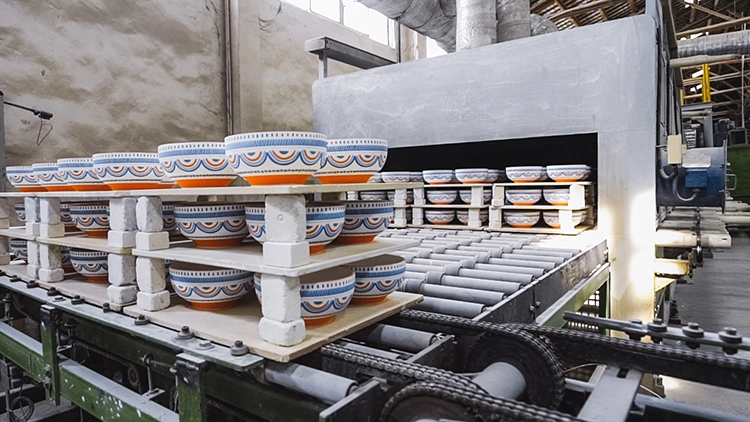
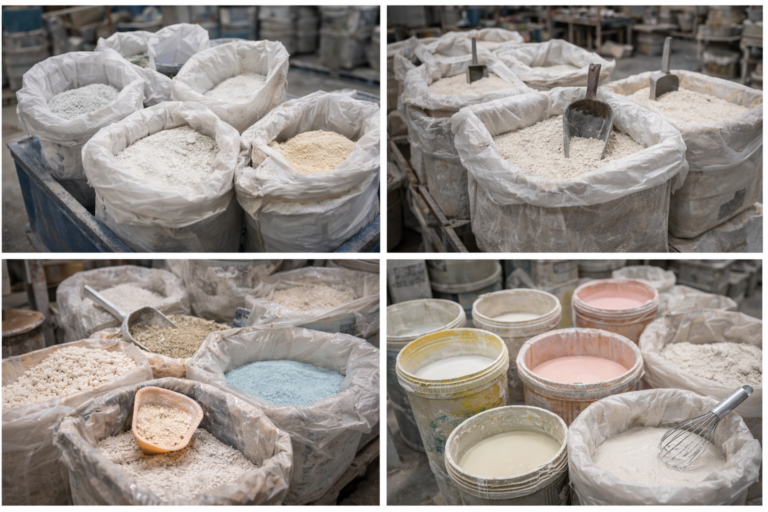
Juggling multiple suppliers for one ceramic project is a headache. It wastes time and creates quality risks1. A trading company2 simplifies everything by managing the entire complex process for you.
A trading company2 acts as a [central project manager] for complex ceramic production. They coordinate across multiple specialized factories3, handling different materials, decorations, and logistics. This saves you time, reduces communication costs, and ensures experts handle each part of your project.
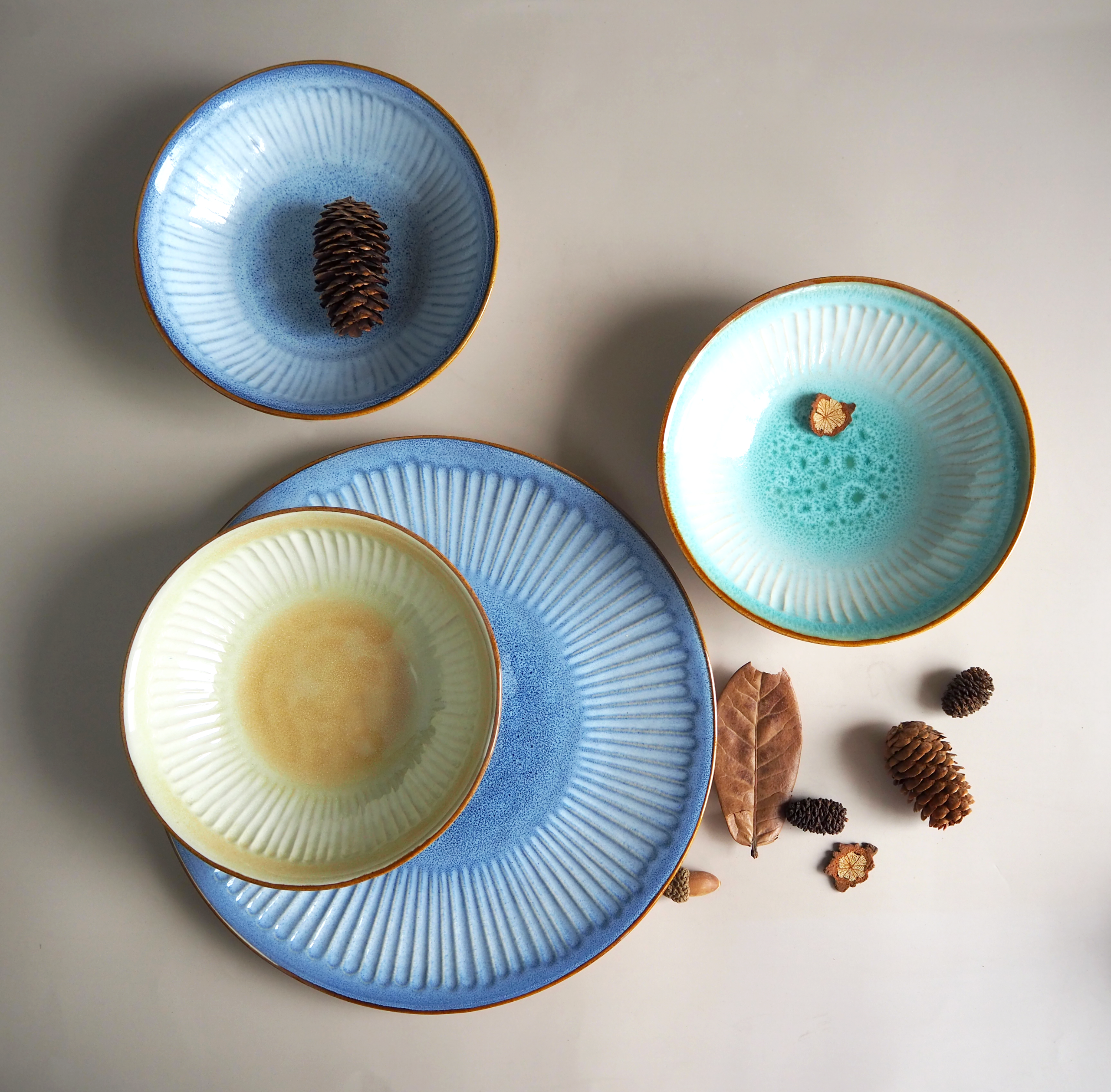
You have a great design, but turning it into a finished ceramic product is harder than it looks. The ceramics industry4 is incredibly specialized. A single factory rarely has all the skills or equipment to make a complex product from start to finish. This is especially true for brands that need a variety of items. You need a partner who understands this landscape. This guide will explain why working with a trading company2 is often the smartest and most efficient way to get your ceramic products made.
Why Is Ceramic Manufacturing a Highly Specialized Industry?
Your project has unique needs, but factories are built for repetition. This mismatch causes delays and quality issues. You need a way to access specialized skills5 without managing multiple suppliers.
Ceramic manufacturing is specialized because each step, from clay preparation to firing and decoration, requires distinct skills, equipment, and materials. Factories focus on one area, like stoneware or porcelain6, to maximize efficiency and maintain quality, making them experts in a narrow field.
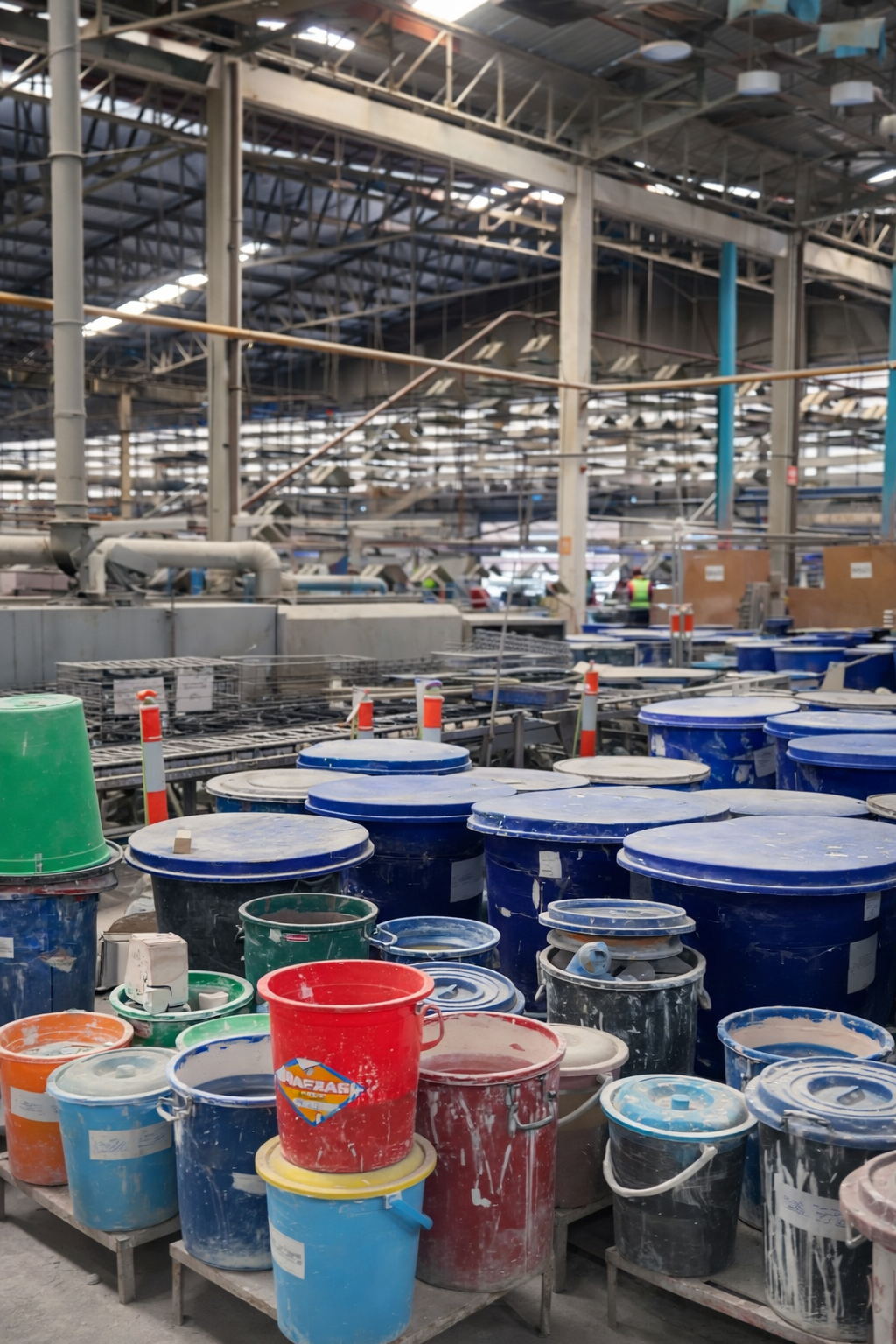
I've been in this business for years, and one thing is always true: ceramic production is not a one-stop-shop. It's a chain of highly specialized crafts. A factory's entire operation is built around one core process. This specialization starts at the very beginning with the raw materials and continues through every single step.
The Division of Labor in Ceramics
Think of it like building a house. You don't hire one person to do the foundation, plumbing, electrical work, and painting. You hire specialists for each job. Ceramic manufacturing is the same. One factory might be an expert in processing stoneware clay. Another might have kilns perfectly calibrated for high-fire porcelain. A third might only do decoration, like applying decals or hand-painting details. This intense focus allows them to become very, very good at one thing. It ensures quality and consistency, but it also creates a fragmented production landscape that can be difficult for a brand to navigate alone.
Why Do Most Ceramic Factories Focus on a Single Clay Body?
You want to produce a collection with both porcelain and stoneware7 pieces. But finding one factory to do both is impossible. This forces you to either compromise your vision or manage two suppliers.
Factories focus on one clay body, like porcelain or stoneware, to optimize costs and efficiency8. Each clay requires different machinery, kiln temperatures, and raw material supply chains. Specializing in one type allows a factory to run its kilns continuously and perfect its process.
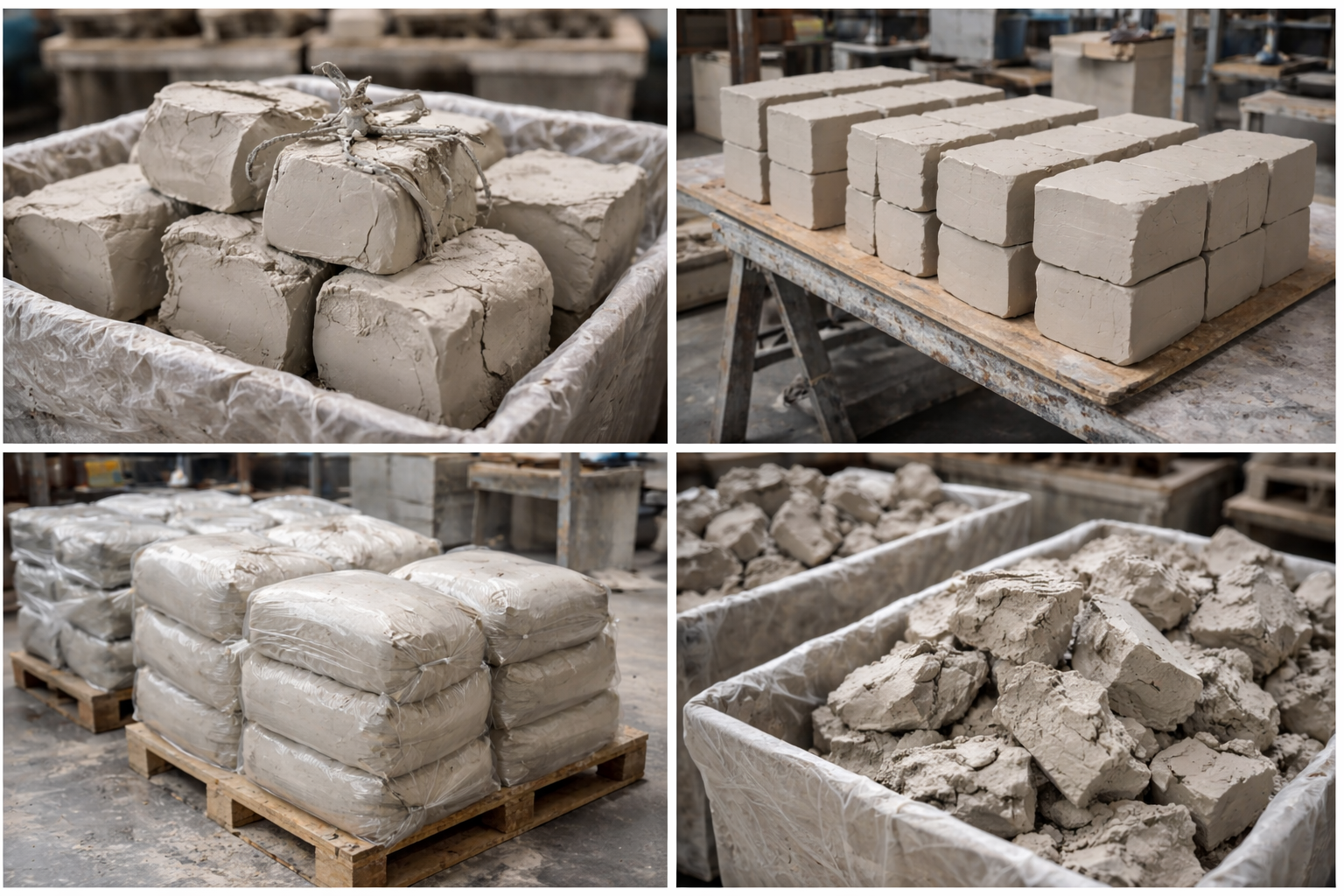
Over 90% of ceramic factories specialize in a single type of clay. This isn't an accident; it's a core business strategy driven by efficiency. A factory's most expensive asset is its kiln. To be profitable, that kiln needs to be running as much as possible, filled with products that fire at the same temperature. Mixing different clay bodies in the same production line is incredibly inefficient. Porcelain and stoneware, for example, have completely different firing requirements.
How Clay Type Dictates Factory Operations
You can't just switch from one clay to another. The entire production line, from the mixing machines to the glaze formulas, is tailored for a specific material. A factory that makes stoneware has its supply chain set up to source stoneware clay. A porcelain factory has its own suppliers. Changing this would mean new suppliers, new machine settings, and extensive testing. It would stop production and increase costs. Below is a simple breakdown of why they stay separate.
| Feature | Porcelain | Stoneware |
|---|---|---|
| Firing Temperature | High (1200-1400°C) | Mid-to-High (1150-1300°C) |
| Raw Materials | Kaolin, Feldspar, Quartz | Specific stoneware clays |
| Kiln Cycle | Longer, more precise | Can be shorter |
| Resulting Product | Non-porous, translucent | Opaque, durable |
Because of these differences, factories choose to be masters of one clay body rather than jacks-of-all-trades.
How Do Cost Control and Raw Materials Shape Factory Capabilities?
You found a factory with a great price, but they can't source the specific glaze you need. Now you're stuck between compromising on your design or starting your search all over again.
Factories control costs by building their operations around locally sourced raw materials9. A factory in a region rich with kaolin will specialize in porcelain. This focus on a specific supply chain dictates their capabilities and limits their ability to handle materials they don't normally use.
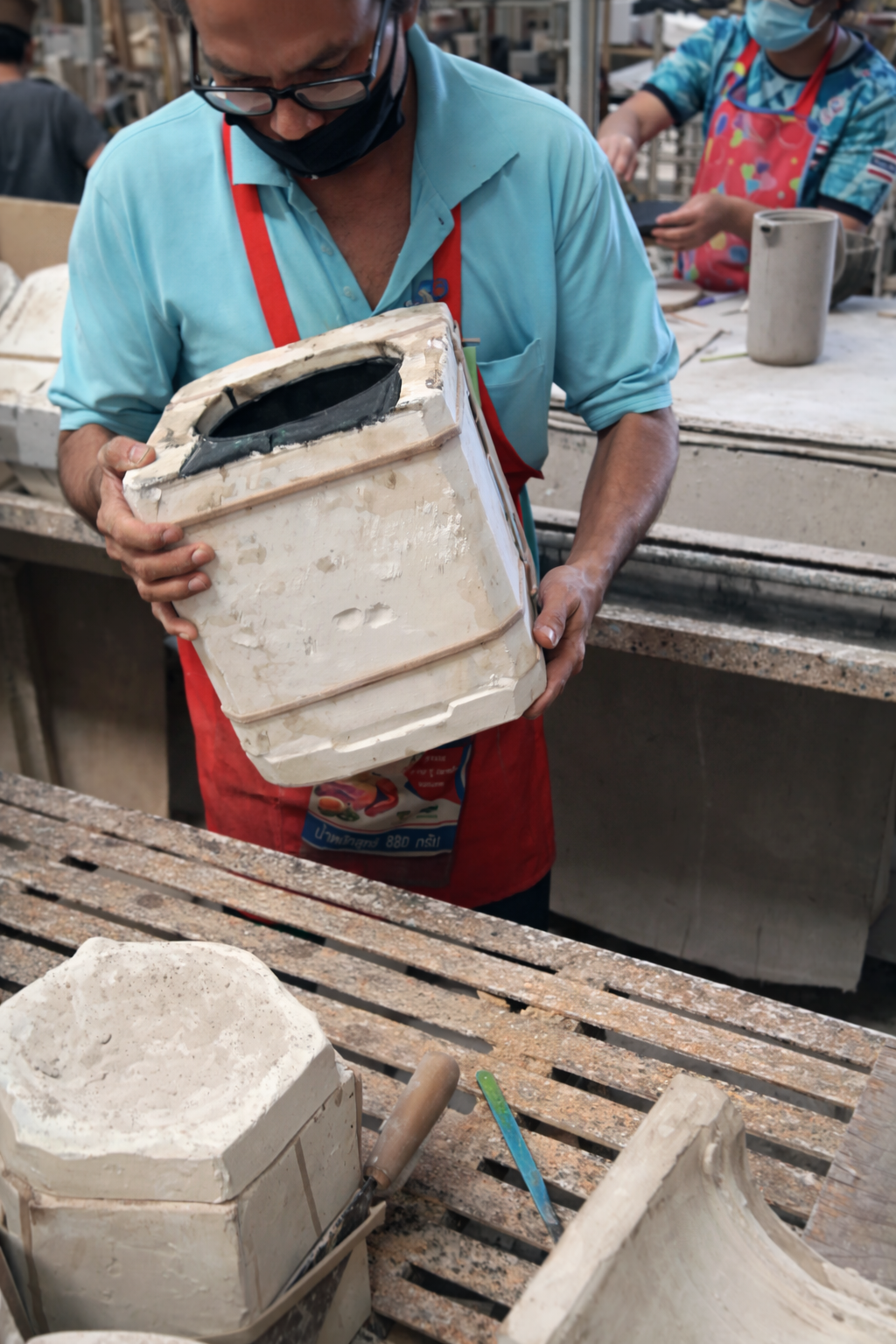
A factory's location is not random. Factories are often built in areas with easy access to specific raw materials. This is the biggest factor in controlling costs. If a factory is near a good source of stoneware clay, it will specialize in stoneware. If it's in a region known for high-quality kaolin, it will likely focus on porcelain. This geographic advantage is fundamental to their business model. They build their entire supply chain, and therefore their expertise, around these locally available materials.
The Supply Chain Defines the Factory
This focus creates deep expertise but also rigid limitations. A stoneware factory in Thailand won't have a reliable or cost-effective supply chain for the specific materials needed for European-style porcelain. They could try to import them, but the cost would be too high and the quality uncertain. They would have to pass that cost on to you. This is why they stick to what they know. Their capabilities are a direct result of their raw material supply chain. They are not set up to experiment with new materials for small-batch orders, as it would disrupt their entire cost structure and production flow.
What Is the Reality of Mixed-Material Ceramic Projects?
Your new collection features a mix of items: porcelain mugs, stoneware plates, and a decorative vase. The thought of finding, vetting, and managing three different factories is overwhelming and delays your launch.
The reality is that a project with mixed materials, like porcelain and stoneware7, almost always requires multiple factories. No single factory has the equipment, supply chains, or expertise to efficiently produce different clay bodies and meet quality standards for all of them.
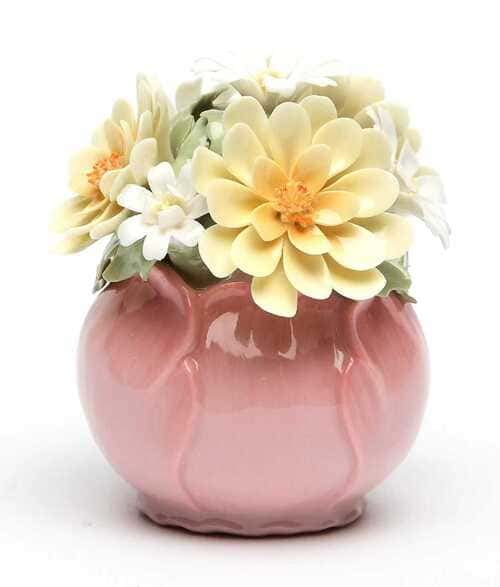
I worked with a client recently who had a beautiful design for a home goods line. It included delicate porcelain candle holders and rustic, heavy stoneware serving platters. They were frustrated because they couldn't find a single supplier to make the whole collection. This is a very common problem. They thought factories were being inflexible, but it's about capability. The factory that excelled at making their thin, translucent porcelain simply did not have the right clay, kilns, or glazes for the stoneware.
Why One Factory Says "No"
It's not that they don't want your business. It's that they know they can't produce the other items to a high standard. A good factory manager will be honest about their limitations. They know that attempting to produce an unfamiliar material will lead to high defect rates, missed deadlines, and an unhappy client. Accepting the job would be a disservice to both of us. So, for that project, we used one of our trusted porcelain partners and a separate stoneware specialist. This ensured that every piece in the collection was made by an expert.
Why Can't One Factory Handle Porcelain, Stoneware, and Decoration Together?
You have a complex design that needs different materials and multiple decorative techniques. Your current supplier can only do one part, leaving you to find others to finish the job.
One factory cannot handle everything because different materials like porcelain and semi-porcelain fire at different temperatures. Additionally, decorative processes like gold tipping10g and decals](https://simple.wikipedia.org/wiki/User:Patrick0Moran/DictionaryProject)%%%FOOTNOTE_REF_11%%% require separate production lines and firing cycles, which most factories don't have in-house.
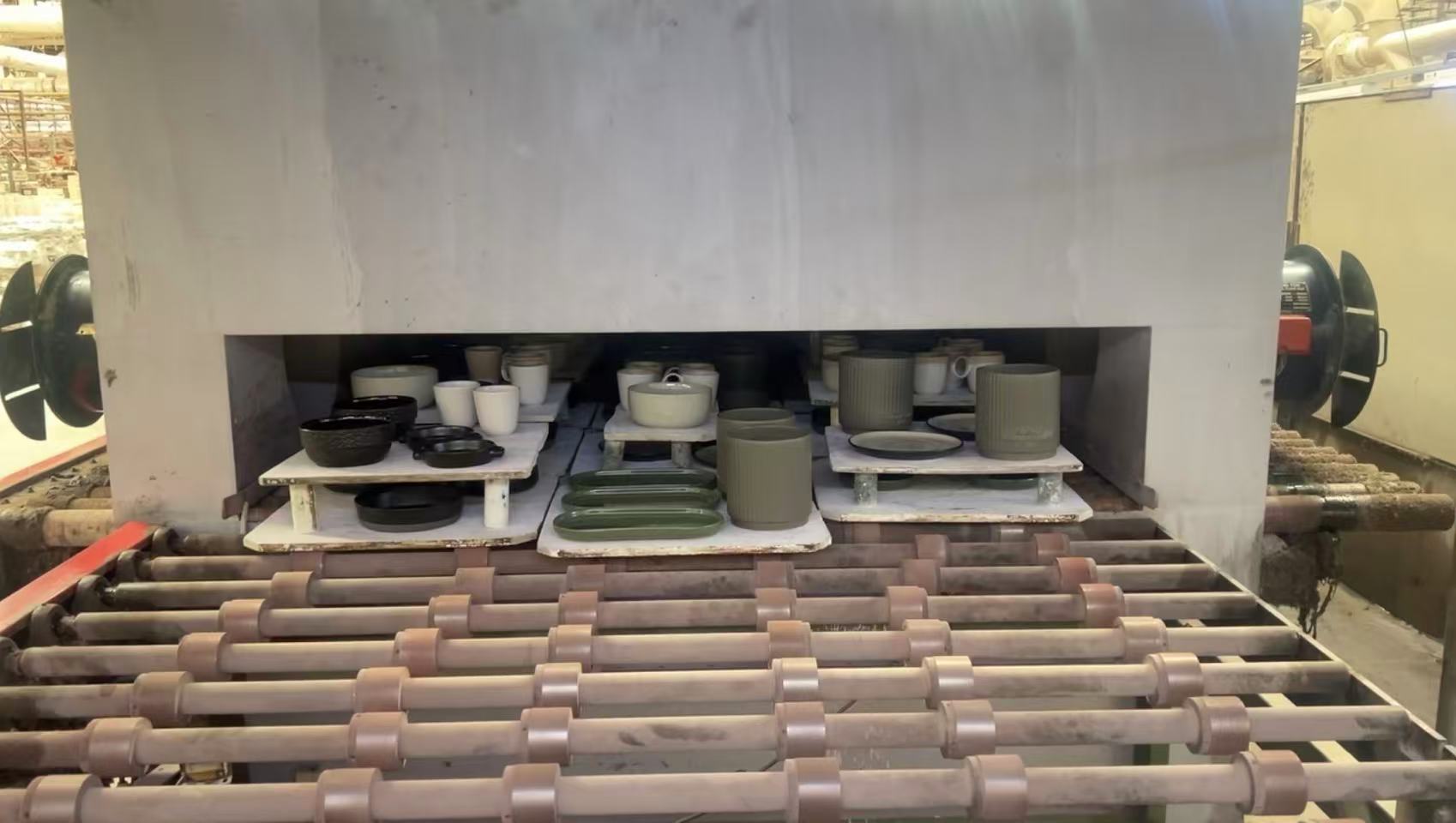
Let's get more specific. It’s not just about different clay types like porcelain and stoneware7. Even within a category, the requirements are very different. For example, a project might call for high-fire porcelain, a lower-fire semi-porcelain (new bone china), and complex decorations. A single factory simply isn't equipped for this. It's like asking a high-end steakhouse to also bake artisanal bread and brew craft beer on-site. They are all food and drink, but the equipment, skills, and processes are completely different.
A Breakdown of Incompatible Processes
A porcelain factory runs its main kiln at around 1300°C. A semi-porcelain product might fire at 1150°C. You can't mix them in the same firing. It would destroy one or both products. Now, add decoration. A decal needs to be applied and then fired at a much lower temperature, around 800°C. Real gold tipping10 needs a third firing at an even lower temperature, around 750°C. Each of these steps requires a separate production line and a separate kiln. Most factories only invest in the kilns needed for their primary clay body. They don't have the extra, specialized kilns needed for multi-step decorative processes12.
What Is the Complexity Behind Gold Tipping, Decals, and Hand Painting?
Your design includes a gold rim, a logo decal, and a hand-painted element. The factory you're talking to says they can't do it all, creating a huge production roadblock for you.
These are highly specialized, separate processes. Gold tipping and decals each require an additional, separate firing in a special kiln at lower temperatures. Hand painting requires a dedicated department of skilled artists. A single factory rarely invests in all three distinct capabilities.
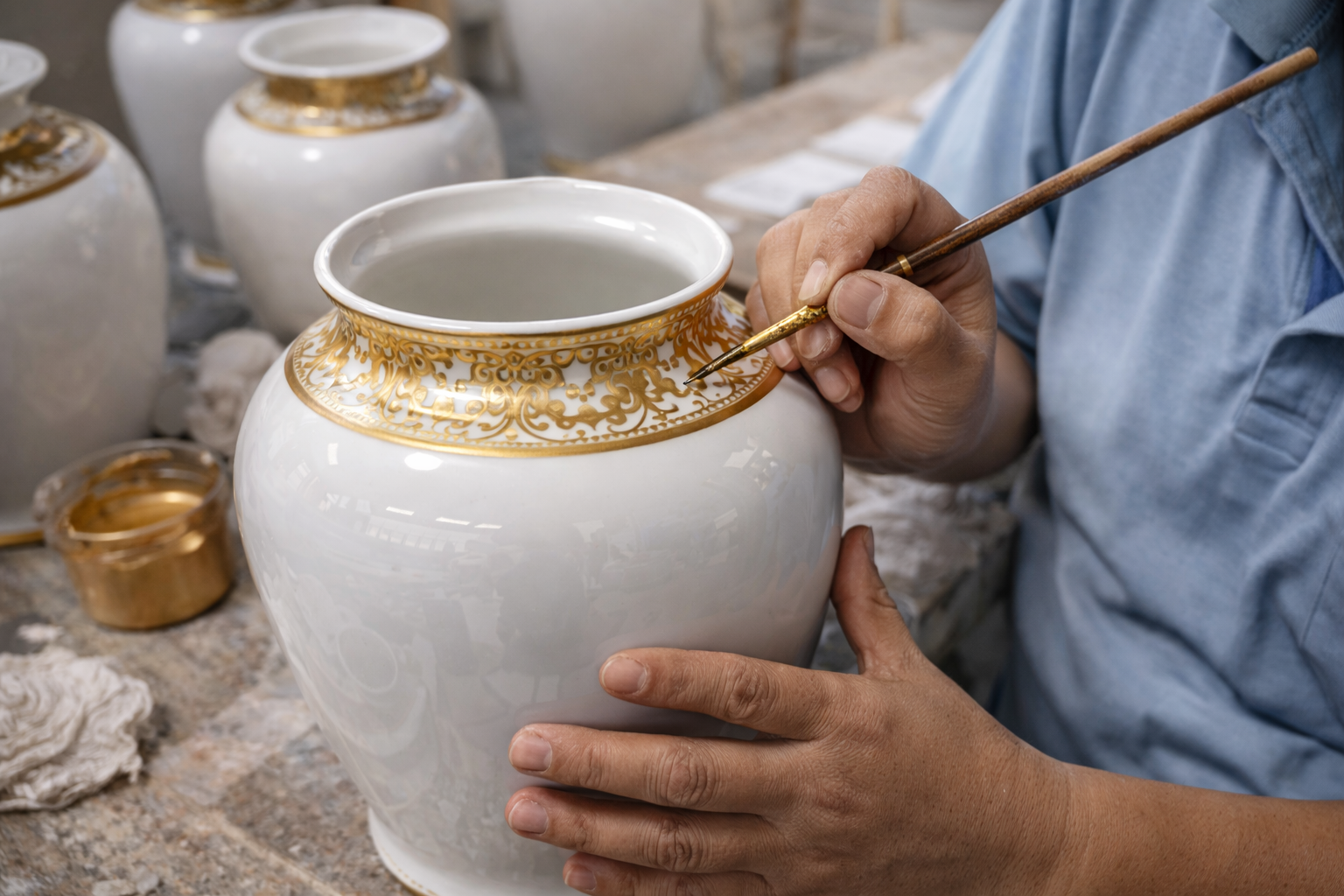
Decorative techniques are often what make a product unique, but they add significant complexity to production. From a manufacturing perspective, gold tipping10, decals, and hand painting13 are three completely different jobs. Let's look at why a factory that makes the base ceramic piece often can't do the decoration.
Three Different Crafts
First, hand painting13. This requires a team of artists. It's a labor-intensive skill that many mass-production factories don't maintain in-house. They are set up for machines, not art departments.
Second, decals. Applying decals is a precise skill to avoid bubbles and misalignment. More importantly, after the decal is applied, the piece must be fired again in a special "decal kiln" at a low temperature. Many factories don't have these extra kilns.
Third, gold tipping10. This also requires another, third firing. Real gold is applied as a liquid, and the piece is fired at a very specific low temperature to cure the gold. This requires a dedicated kiln and expertise to get the finish right.
| Decoration | Skill Required | Equipment Required | Firing |
|---|---|---|---|
| Hand Painting | Artistic talent, steady hand | Brushes, special paints | Sometimes fired before glazing |
| Decal Application | Precision, alignment | Decal paper, water | Separate low-temp firing (~800°C) |
| Gold Tipping | Careful application | Liquid gold, brushes | Separate low-temp firing (~750°C) |
Because these are so different, decoration is often outsourced to a specialized workshop.
Why Do Ceramic Projects Often Require 4–5 Different Factories?
Your "simple" project has turned into a logistical nightmare. You're coordinating with a clay supplier, a molding factory, a decoration workshop, and a packaging company. This isn't what you signed up for.
A single project can easily require 4–5 factories because of specialization. One factory makes the porcelain plate, another makes the stoneware bowl, a third applies decals, and a fourth does the hand-painting. Each step requires a different expert and facility.
Let's map out a real-world example. Imagine you're launching a small dinnerware set for your brand. The set includes:
- A porcelain dinner plate14 with a gold rim.
- A stoneware cereal bowl15 with a reactive glaze.
- A porcelain mug with a custom decal logo16 and a hand-painted handle17.
Here’s how the production would actually work:
- Factory A: A porcelain specialist. They will produce the base for the dinner plate and the mug. But they don't do gold rims or hand-painting.
- Factory B: A stoneware specialist. They will produce the cereal bowl with the complex reactive glaze they have perfected.
- Factory C: A decoration workshop. The porcelain plates from Factory A are shipped here to have the gold rims applied and fired. The mugs from Factory A also come here.
- Factory D: A hand-painting studio. The mugs are sent from Factory C (or directly from A) to have the handles painted. Then they might go back to Factory C to have the decal applied and fired.
Suddenly, your single project requires a minimum of four different production partners. You would have to manage the timelines, logistics, and quality control between all of them. This is where most brands get overwhelmed.
How Do Trading Companies Coordinate Complex Multi-Factory Projects?
You don't have the time or local expertise to manage four different factories. You need a single, reliable partner who can handle all the moving parts and deliver a finished product.
**A trading company2 acts as your project manager18. We analyze your design, select the best specialized factory for each components.
Learn about the potential quality risks involved when dealing with multiple suppliers in ceramic manufacturing. ↩
Find out how trading companies manage and coordinate complex ceramic projects involving multiple factories. ↩
Understand the need for coordination across specialized factories in ceramic projects to ensure quality and efficiency. ↩
Discover the reasons behind the specialization in the ceramics industry and how it affects production. ↩
Find out how brands can access specialized skills in ceramic manufacturing without the hassle of managing multiple suppliers. ↩
Learn why ceramic factories specialize in either stoneware or porcelain and the benefits of this focus. ↩
Understanding the differences between porcelain and stoneware helps you choose the right material for your product, ensuring quality and efficiency. ↩
Explore how focusing on a single clay body helps ceramic factories optimize costs and efficiency. ↩
Understand the impact of locally sourced raw materials on the capabilities and specialization of ceramic factories. ↩
Explore this link to understand the intricate process of gold tipping in ceramics, a key decorative technique that adds luxury and requires specialized skills. ↩
Discover the intricate processes involved in gold tipping and decals in ceramic production. ↩
Understand why multi-step decorative processes in ceramics require specialized factories and equipment. ↩
Explore the reasons why hand painting is a specialized and labor-intensive process in ceramic manufacturing. ↩
Explore the production process of a porcelain dinner plate with a gold rim in ceramic manufacturing. ↩
Discover the specialized production process for creating a stoneware cereal bowl with reactive glaze. ↩
Learn about the process of applying custom decal logos in ceramic manufacturing and its challenges. ↩
Understand the detailed process and skill required for hand-painting handles in ceramic products. ↩
Explore the crucial role of a project manager in overseeing and ensuring the success of ceramic manufacturing projects. ↩