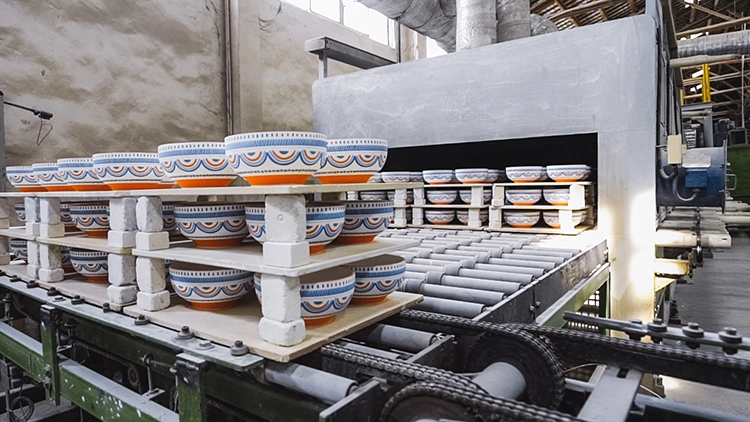
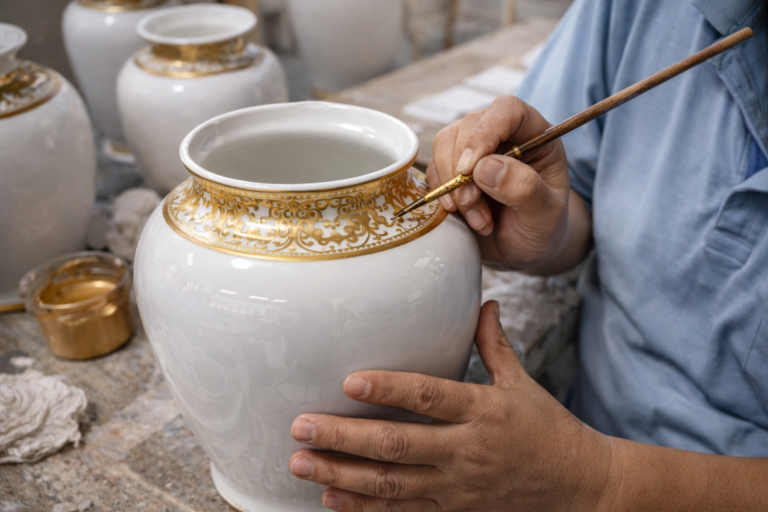
Struggling with inconsistent decal colors1 on your ceramics? Your bright red designs keep turning brown, frustrating your production and delaying launches. The issue is pigment chemistry2.
Red, pink, and yellow are the most challenging decal colors. Their pigments are highly sensitive to firing temperatures3 and can easily fade, shift tone, or turn brown. This makes achieving consistency across a production run extremely difficult without precise control.
I often compare ceramic production to baking a pizza. When the dough is in the oven, will it burn? Will the toppings change color from the heat? One degree of difference, higher or lower, can change everything. It takes decades of experience, often passed down through generations, to make the right judgment. This is especially true when working with sensitive colors. Let's dive deeper into why some colors are so much harder to get right than others.
Why Are Red and Pink the Hardest Decal Colors to Produce?
Are your vibrant red and pink ceramics failing quality control? These beautiful but sensitive colors often cause production headaches, leading to wasted inventory and missed deadlines.
Red and pink are difficult because their pigments, often containing gold or cadmium, are unstable at high temperatures. They have a very narrow firing window4. Even slight temperature changes can cause them to fade, shift color, or turn a dull brown.
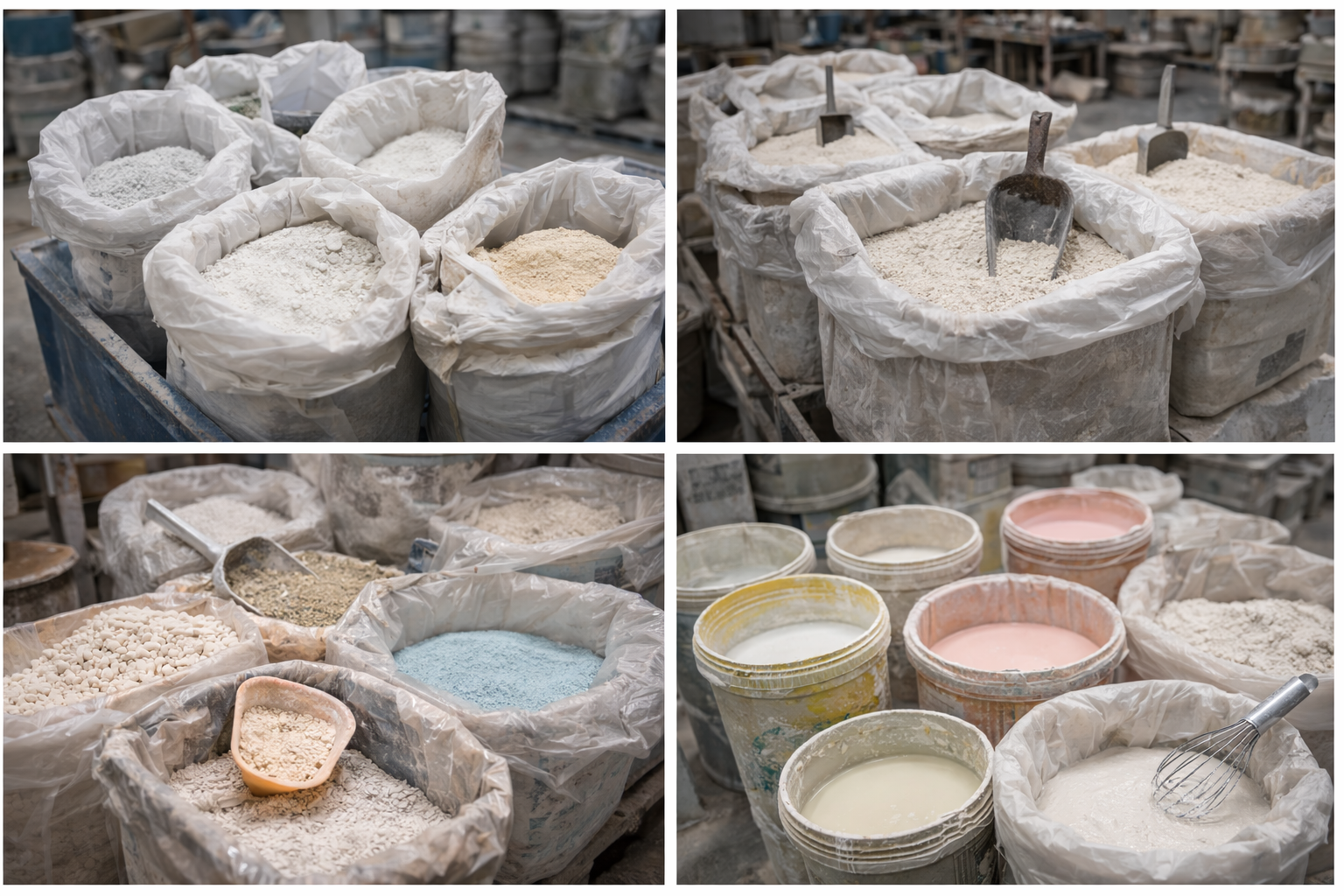
When we talk about difficult colors, red and pink are always at the top of the list. It all comes down to the chemistry of the pigments and the physics of the kiln.
Pigment Instability at High Temperatures
The ingredients that create these vibrant colors are just not built for extreme heat. Red pigments, for example, are incredibly sensitive to both the temperature and the atmosphere inside the kiln. If the temperature is even slightly too high, the red can "burn out," turning into a dull, brownish color. Pink is often even more delicate. Many pink pigments rely on tiny amounts of gold to create their hue. This makes them not only expensive but also extremely temperamental during firing. They can easily fade or shift tone with the smallest fluctuation.
The Narrow Firing Window
This brings us to the concept of a "firing window4." This is the specific temperature range where a color will develop correctly. For stable colors like black or dark blue, this window is quite wide. For reds and pinks, it's incredibly narrow. This is where experience becomes critical. We have to manage the kiln precisely to hit that perfect spot.
| Color Category | Examples | Firing Stability | Common Issues |
|---|---|---|---|
| Challenging | Red, Pink, Yellow, Orange | Low | Fading, browning, color shifts |
| Stable | Black, Dark Blue, Brown, Dark Green | High | Very few, highly predictable |
This is why we say it requires so much expertise. It's not just about setting a temperature; it's about understanding how the kiln breathes and how to guide it to produce the perfect result.
How Does Material Choice Impact Firing and Production Stability?
Choosing a ceramic body seems simple, right? But the wrong choice can lead to cracks, warping, and color inconsistency, jeopardizing your entire production timeline and budget.
Material choice is critical. Porcelain5, stoneware6, and new bone china7 each have different firing temperatures and properties. This affects glaze fit, decal application, and overall stability. A material that fires hotter can burn off sensitive decal colors.
<sup id=](https://goodtogosea.com/wp-content/uploads/2026/02/ChatGPT-Image-2026%E5%B9%B42%E6%9C%885%E6%97%A5-%E4%B8%8A%E5%8D%8810_51_04.png) 6, and [new bone china](https://arxiv.org/pdf/1708.07077)7" />
6, and [new bone china](https://arxiv.org/pdf/1708.07077)7" />
The ceramic body you choose is the foundation of your product. If the foundation isn't right for the design, the whole project can fail. This is especially true when working with decal decorations. The material dictates the firing temperature, which in turn dictates what colors are possible.
Porcelain5n vs. Stoneware vs. New Bone China]
Each material has its own personality and requirements. Porcelain5 fires at very high temperatures (around 1300°C), which creates a very strong, dense, and non-porous body. Stoneware fires at a slightly lower temperature and is known for its earthy, rustic feel. New bone china is a modern material that offers a fine, white appearance similar to traditional bone china but without the bone ash, and it fires at a lower temperature than porcelain.
| Material | Firing Temperature | Best For | Decal Consideration |
|---|---|---|---|
| Porcelain5 | High (1280-1350°C) | Durability, fine dining | Can burn out sensitive colors |
| Stoneware | Medium (1200-1280°C) | Rustic, everyday items | Good balance for many colors |
| New Bone China | Low-Medium (1150-1250°C) | Fine, white, lightweight | Better for vibrant, sensitive colors |
Matching Material to Your Decal
If your design features a bright red logo, choosing a high-fire porcelain is a risky move. The temperature needed to mature the porcelain is likely high enough to destroy the red pigment in the decal. In this case, we would guide you toward a material like new bone china7. Its lower firing temperature is much more friendly to sensitive colors. The choice of material is not just an aesthetic one; it's a technical decision that has a huge impact on production feasibility and the final quality of your product. We always start here to make sure your design can actually be produced successfully.
How Do Kiln Temperature and MOQ Affect Color Consistency?
Do you struggle to meet high MOQs for complex designs? It feels restrictive, but this requirement is directly linked to quality, especially for tricky decal colors.
Kilns need time to stabilize temperature. Small runs are inefficient and make color control difficult, especially in large tunnel kilns8. A sufficient MOQ allows us to fill a kiln and fine-tune the firing process for one batch, ensuring consistent color for sensitive decals.
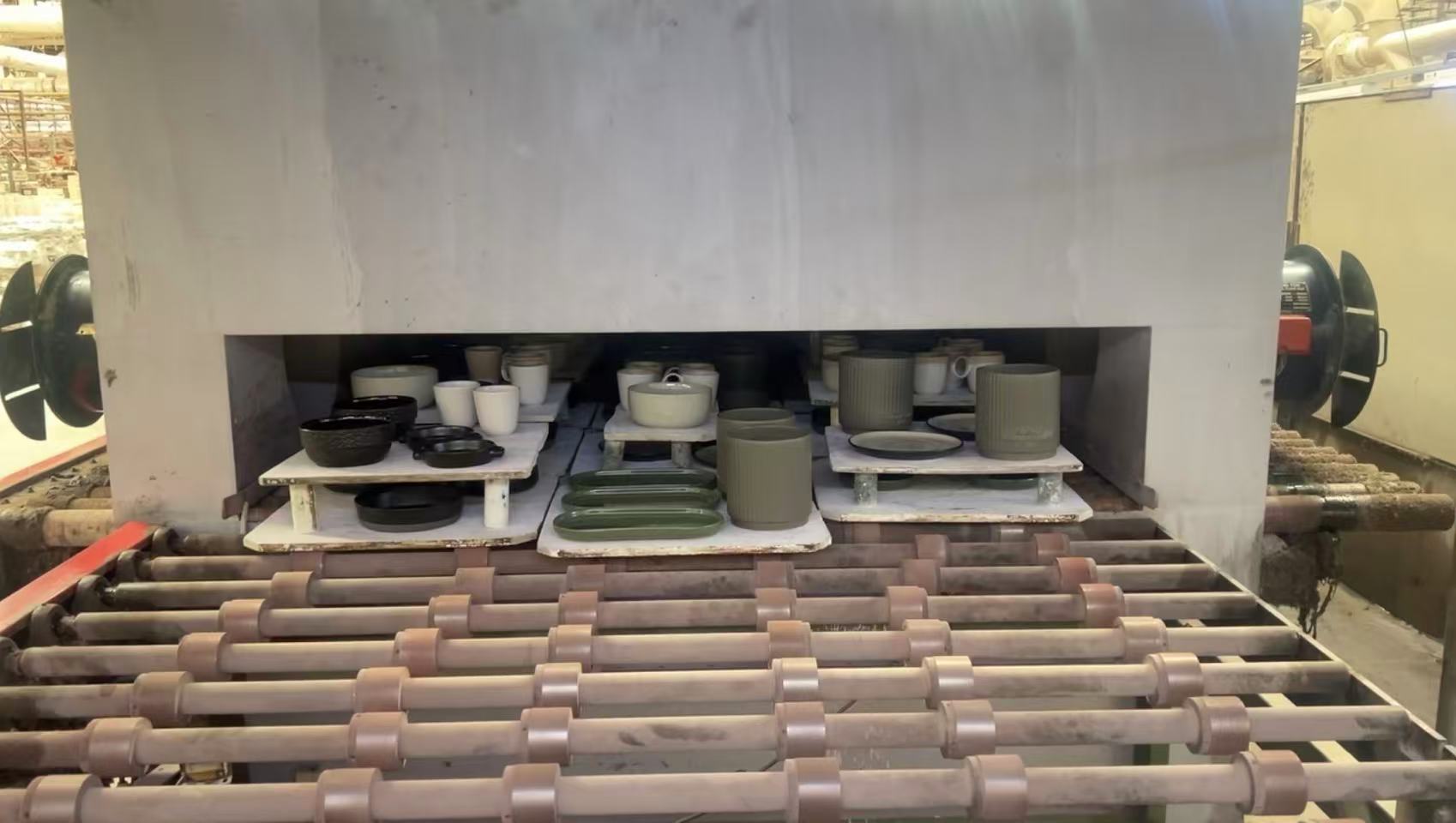
The relationship between Minimum Order Quantity (MOQ)9, kiln operation, and color consistency10 is one of the most important concepts in ceramic manufacturing. It’s also one of the most misunderstood. The MOQ is not an arbitrary number; it's a technical requirement for achieving quality and efficiency.
The Challenge of Tunnel Kilns
For mass production, we use large tunnel kilns8. These are massive, continuous ovens that can be over 50 meters long. Carts of ceramic products travel slowly through different temperature zones. The key to quality is stability. The kiln needs to run continuously with a consistent volume of products to maintain a perfectly stable temperature curve. Starting, stopping, or running the kiln half-empty creates temperature fluctuations. And as we've discussed, fluctuations are the enemy of sensitive colors like red and pink.
Why Batch Size Matters
For your order of 300-500 pieces with a complex, multi-color decal, achieving consistency is the main goal. If we run this small quantity alone in a huge tunnel kiln, it's incredibly inefficient and hard to control the temperature. The alternative is to group your order with others, but this introduces variables that can affect your color. A sufficient MOQ allows us to dedicate a full, stable run in the kiln just for your product. This lets us dial in the temperature profile specifically for your design's sensitive colors. We can make micro-adjustments during the run to ensure every single piece comes out with the same, perfect color.
MOQ as a Quality Tool
So, think of the MOQ not as a barrier, but as a tool for quality control. For simple, one-color items, the MOQ can be more flexible. But for complex designs with challenging colors, meeting the MOQ is the first and most critical step to ensuring a successful, consistent production run. It allows us to give your product the dedicated attention it needs to come out perfectly.
How Do Factories Control Color Variation During Firing?
Worried your final products won't match the approved sample? Color variation is a common fear in ceramics, but a systematic QC process can prevent costly surprises.
We control color variation using a multi-step process. This includes using standardized color chips11, strict control of pigment batches, precise kiln temperature monitoring, and in-process QC checks12. We pull items during the run to ensure colors are developing as expected.
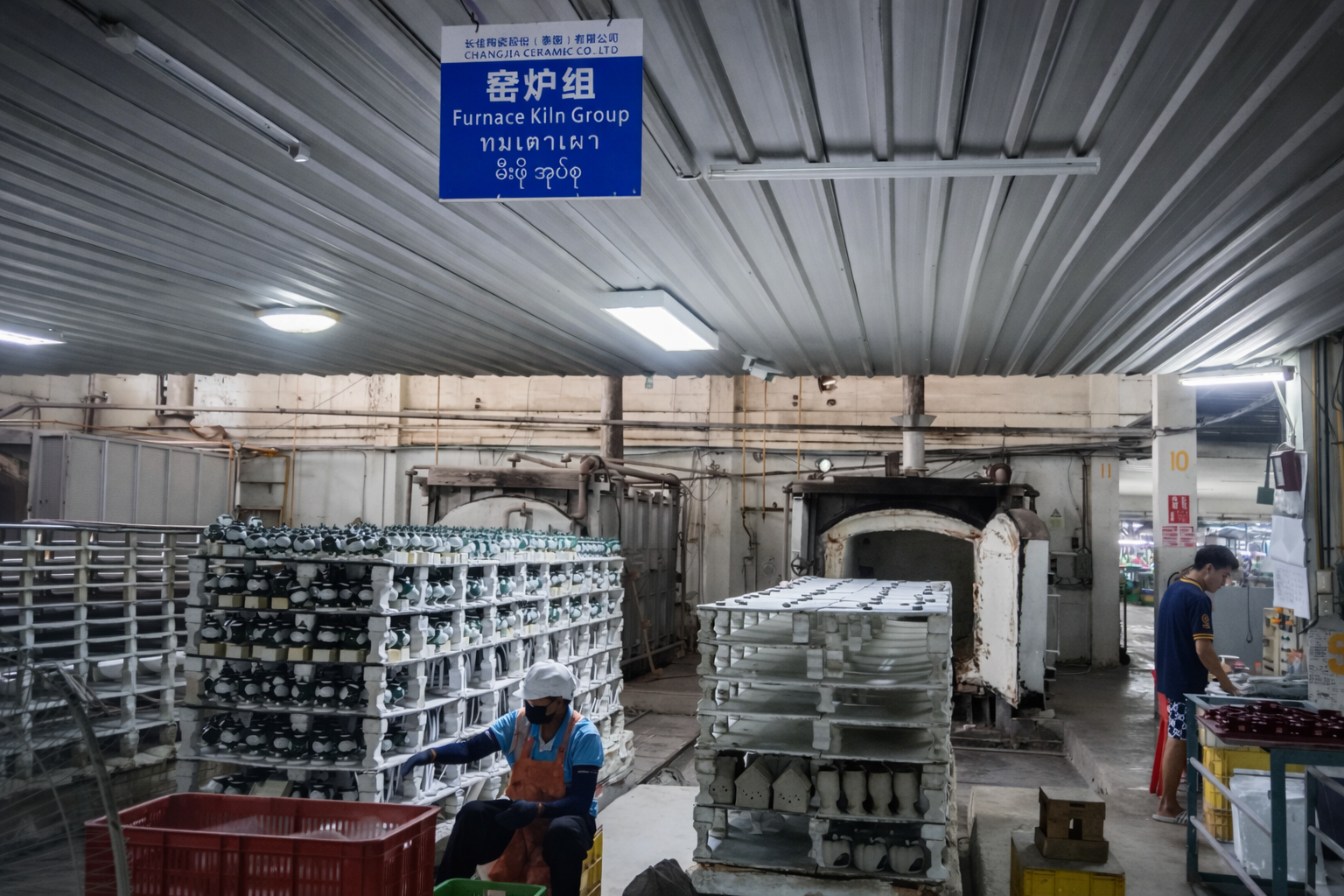
Achieving color consistency10, especially across a large order, is a science. It's not about luck; it's about having a rigorous system in place. As a buyer, you need to know that the 1st piece and the 5,000th piece will look the same. Here’s how we manage that.
Standardized Color Management
The process starts long before firing. It begins with the decal supplier. We work with them to ensure the pigment batches they produce are consistent from one order to the next. Then, we establish a "master" color standard with you. This is an approved physical sample that becomes our bible. Every production piece is compared against this master standard. We also use digital colorimeters13 for objective data, but the human eye, trained by years of experience, is the final judge.
In-Process Checks Are Key
Many people think of quality control as a single check at the end of the line (pre-shipment inspection). For ceramics, this is too late. You can't fix a color problem after the item has been fired. That's why in-process quality control (IPQC14) is essential. For a run with sensitive colors, our technicians will literally pull pieces out of the kiln from test ports as they are firing. This allows them to see how the color is developing and make real-time adjustments15 to the kiln's temperature or speed. This is an active, hands-on process that requires deep expertise16. It’s what separates a high-quality factory from an average one. This proactive approach17 allows us to catch and correct potential issues before they affect the entire batch, saving time, money, and ensuring the final product meets your exact specifications.
Conclusion
Achieving vibrant decal colors requires a partnership. It's a balance of design complexity18, material science, and a deep, practical understanding of the manufacturing process and its limitations.
Explore this link to learn effective solutions for achieving consistent decal colors in ceramic production. ↩
Understanding pigment chemistry is crucial for mastering color consistency in ceramics. Discover the science behind it. ↩
Learn why certain pigments react to temperature changes and how to manage them for consistent results. ↩
Discover the importance of the firing window and how it affects color consistency in ceramics. ↩
Explore this link to understand how porcelain's high firing temperature impacts color stability and production quality in ceramics. ↩
Explore how stoneware's firing temperature and properties make it ideal for balancing color stability and production efficiency in ceramics. ↩
Explore how new bone china's lower firing temperature helps preserve vibrant colors, making it ideal for intricate designs with sensitive pigments. ↩
Discover the role of tunnel kilns in large-scale ceramic production and their impact on quality. ↩
Learn how MOQ affects production efficiency and color consistency in ceramic manufacturing. ↩
Find out the best practices for maintaining consistent colors across ceramic batches. ↩
Learn how standardized color chips help in achieving consistent color results in ceramics. ↩
Understand the importance of in-process quality control checks for ensuring product quality. ↩
Discover the role of digital colorimeters in ensuring accurate color matching in ceramics. ↩
Explore how IPQC prevents color issues during firing, ensuring your ceramics match the approved sample, saving time and money in production. ↩
Learn how real-time adjustments in the kiln can prevent color inconsistencies in ceramics. ↩
Understand the value of experience and expertise in achieving high-quality ceramic products. ↩
Explore how a proactive approach in QC can prevent costly production errors in ceramics. ↩
Learn how complex designs can impact the production process and final quality of ceramics. ↩