Worried about tiny pores on your ceramic products? These small marks can lead to big production delays1. Understanding professional quality control is the key to avoiding these risks.
Reduce risk by understanding that proper ceramic quality control2 evaluates products under normal conditions, not a microscope. Inspections use normal lighting and an arm's-length viewing distance. This practical approach separates acceptable natural marks3 from true functional or cosmetic defects4, ensuring consistent and reliable production outcomes.
I've seen countless projects get stuck on this exact point. A brand manager5, looking at a sample for the first time, holds it up to the light and sees a tiny pinhole. Instantly, they worry the whole production run will be flawed. But is it really a flaw? This uncertainty can cause major friction between brands and their suppliers. To clear this up, we first need to understand where these marks even come from. Let's look at the science behind firing ceramics.
Why Do Small Pores Appear on Ceramic Surfaces?
Seeing tiny pores on your ceramic samples? This can make you doubt the entire production quality6. But these marks are often a natural, unavoidable part of the firing process7.
Small pores form when clay is fired above 1200°C. Gases escape and organic materials burn away as the clay hardens. This process is similar to bubbles forming in pizza dough in a hot oven. These micro pores8 are a natural result of the material reacting to extreme heat.
(https://goodtogosea.com/wp-content/uploads/2026/02/ChatGPT-Image-2026年2月14日-下午02_48_25.png)
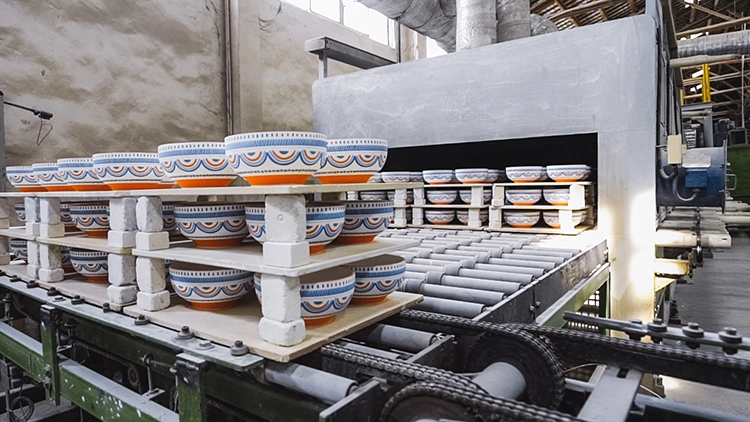
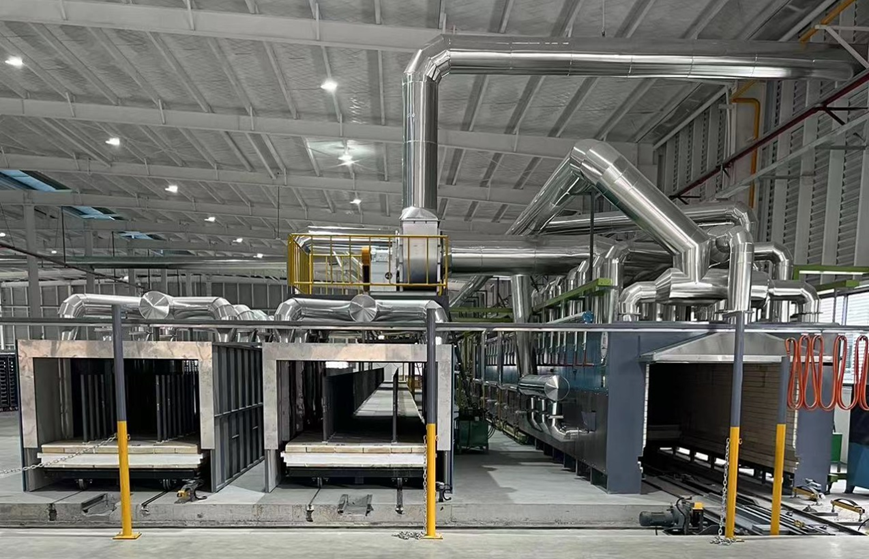
To explain this, I often use a simple comparison: baking a pizza in a stone oven. When you put the dough in, the high temperature makes it expand. Moisture turns to steam and tiny air bubbles form. Those bubbles create the texture we all love in a good pizza crust. It's a completely natural part of how the dough reacts to heat. Ceramic production works in a very similar way. During firing, the clay is heated to temperatures over 1200°C. Inside the kiln9, a lot happens. The clay body shrinks, any organic materials inside it burn out, and gases are released. As the material hardens and transforms, very small pores can occasionally appear on the surface. They are not necessarily defects. They are part of how natural, mineral-based materials behave under extreme heat.
Here is a simple breakdown:
| Process Step | Baking Pizza | Firing Ceramics |
|---|---|---|
| Material | Dough (flour, water, yeast) | Clay (minerals, water, organic matter) |
| Heat | High-temperature oven | Kiln (>1200°C) |
| Reaction | Moisture evaporates, gases expand | Water evaporates, gases release |
| Result | Air pockets in the crust | Micro pores on the surface |
So, the real question is not whether pores exist. The question is whether they affect the product’s function, durability, or look under normal inspection conditions10.
How is Ceramic Surface Quality Actually Inspected?
Your supplier says a tiny mark is acceptable, but you're not sure. This confusion can erode trust. The solution is using a standardized, professional inspection method11 everyone can agree on.
Professional ceramic inspection follows standards like AQL. Products are evaluated under normal lighting, with the naked eye, from a practical distance of about an arm's length (30-50 cm). This method focuses on what a real customer would actually notice, not microscopic imperfections.
In my experience, the biggest disagreements about quality come from how a product is inspected. A brand manager5 in New York might be looking at a sample under a bright desk lamp, just inches from their face. But that is not how professional quality control works. We do not use magnifying glasses or high-powered spotlights in manufacturing. Instead, we follow international inspection practices, like the AQL12 sampling standards (based on ISO 2859-1). This creates a clear, objective, and repeatable process. The conditions are meant to simulate how a real person would see the product in a store or in their home.
The inspection environment is defined by three simple rules:
| Inspection Condition | Standard Practice | Why It's Done This Way |
|---|---|---|
| Lighting | Normal, ambient light | This simulates a typical home or retail environment, not a laboratory. |
| Vision | Normal human eyesight | This reflects what the end-customer will actually be able to see. |
| Distance | Arm's length (~30-50 cm) | This mimics how a person naturally handles or looks at a product in use. |
This entire approach is designed to be practical. It answers the question: "Would a reasonable customer notice this and consider it a flaw?" This standard provides a clear baseline for both the brand and the manufacturer, which helps avoid arguments and keeps production moving.
What Is the Difference Between a Natural Mark and a Defect?
Some marks look wrong, even if they are "natural." You need a clear rule to decide what to accept or reject. The key is defining defects by their visibility and impact.
A natural mark is a micro pore not visible at arm's length and doesn't affect use. A defect is a flaw that is clearly visible under normal inspection conditions10 or impacts the product's function, safety, or durability. This includes cracks, chips, or large, noticeable pinholes.
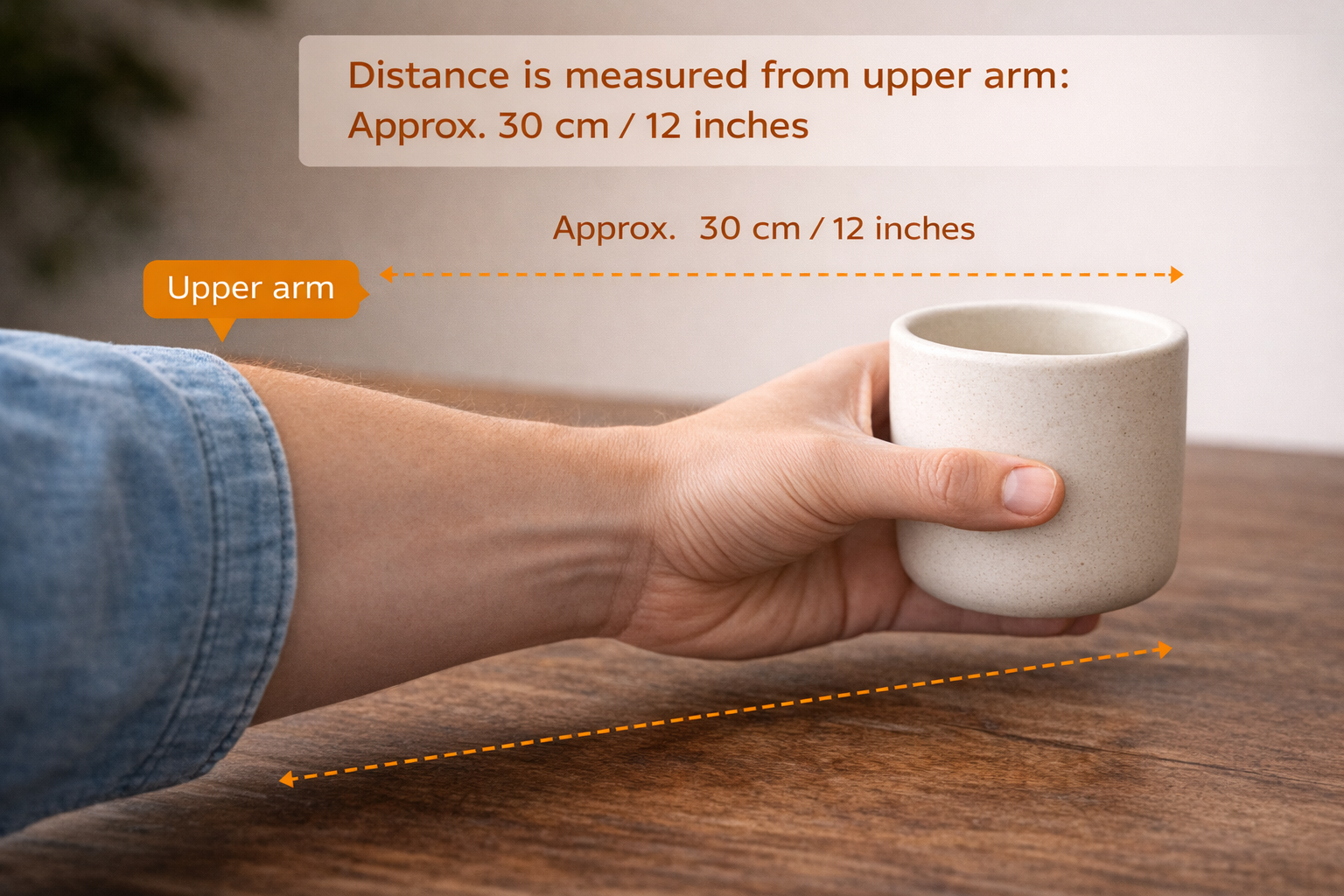
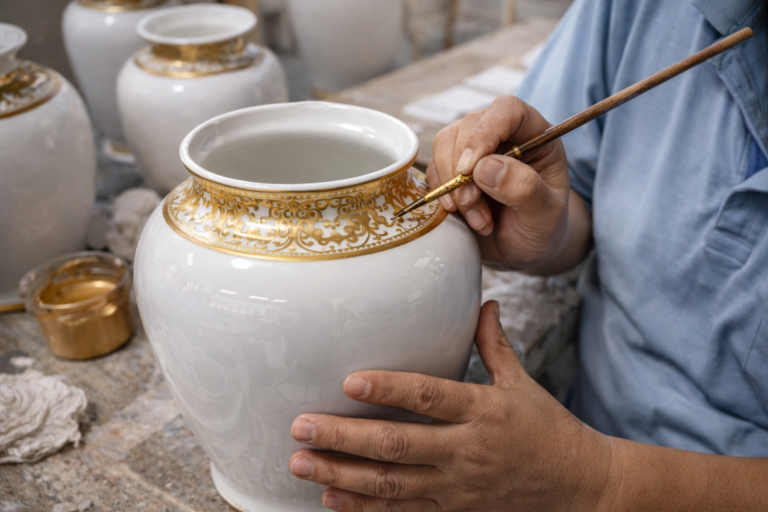
This is the most important question for any brand manager5. Let's make it simple. If you can't see the mark under the standard inspection conditions10 we just discussed, it is not a defect. A natural mark is a tiny characteristic that is only visible if you look for it up close. It does not affect the product's function, safety, or overall look from a normal distance. A defect, on the other hand, is a flaw that fails the standard inspection. It is either clearly visible at arm's length, or it impacts the product's performance. For example, a crack that could leak water is a functional defect. A black spot on the front of a white vase that you can see from two feet away is a cosmetic defect.
Here is how we classify these issues:
| Category | Description & Examples | Decision |
|---|---|---|
| Acceptable Mark | A tiny pinhole only visible up close. Slight color variation on the bottom of a mug. | Accept. This is not a defect. |
| Cosmetic Defect | A pinhole or black spot clearly visible at arm's length. A noticeable scratch on the rim of a plate. | Reject. This fails a standard AQL12 inspection. |
| Functional Defect | A crack that could leak. A chip on the rim that makes it unsafe. A wobbly base that makes it unstable. | Reject. This is a critical defect. |
Before we start mass production, we always work with our clients to create a quality control checklist13. Sometimes we even create a "limit board" with physical samples. This board shows real examples of what is acceptable and what is a defect. It removes all guesswork and makes sure everyone is on the same page.
Conclusion
Proper quality control isn't about chasing perfection. It's about using clear, practical standards to manage risk, ensure consistency, and deliver products your customers will love.
Exploring strategies to avoid production delays can enhance efficiency and profitability. ↩
Understanding ceramic quality control is essential for maintaining product standards and avoiding costly production delays. ↩
Understanding natural marks versus defects can help in making informed decisions about product quality. ↩
Understanding cosmetic defects can help in maintaining aesthetic standards in ceramic products. ↩
Understanding the role of a brand manager can clarify responsibilities in maintaining product quality. ↩
Exploring methods of assessing production quality can help in achieving high standards. ↩
Explore this resource to understand the firing process and its impact on ceramic quality, ensuring better production outcomes. ↩
Discovering the science behind micro pores can clarify their role in ceramic production and quality. ↩
Understanding the kiln's function is crucial for grasping how ceramics are fired and why micro pores form. ↩
Knowing the standard inspection conditions can help ensure that products meet customer expectations. ↩
Exploring professional inspection methods can help ensure consistent quality and reduce misunderstandings between brands and suppliers. ↩
Explore this resource to understand AQL's role in ensuring consistent quality in ceramics, enhancing your production reliability. ↩
Creating a quality control checklist can streamline the inspection process and ensure consistency. ↩